


Somewhere around 2021, the logic of content creation began to quietly invert.
The volume increased. The tools democratised. The formats multiplied. And yet, something strange happened to all that output: it began to lose weight. A post that would have carried authority in 2018 now dissolves before the algorithm has even finished serving it. This happened particularly not because audiences became harder to reach, but because the medium itself became crowded in a way that changed the nature of visibility entirely.
We are no longer in a scarcity of content. We are drowning in it. And in that drowning, the most important thing a brand can do has quietly shifted. This shift is purely from producing to architecting.
The Infrastructure Argument.
The most strategically sophisticated brands operating today are not thinking about what to post this week. They are asking a harder, more structural question: what are we building that people enter, stay in, and return to? Thus, independently of whether we are actively publishing? That question marks the line between content and infrastructure.
Content is episodic. Infrastructure is systemic. Content fills timelines; infrastructure shapes memory. A single post may perform exceptionally well, given metrics of impressions, shares, and saves, yet still leave nothing behind. It neither compounds nor creates gravitational pull. What simply happens is a visual of performance before disappearance into the feed.
Infrastructure, executed well, does something different. It produces recognition without repetition. Authority without constant re-explanation, or demand without daily visibility. The brand becomes something people carry with them, refer to, quote, and return to. It is not because you reminded them, but you succeeded in building something that lodged in them.
Consider what The Economist has maintained for decades. It has never chased the format of the moment: newsletters, short-form, or reels. It has held, with almost stubborn confidence, to a particular tone, a particular intellectual posture, a particular visual restraint. The result is one of the most recognised voices in global media, operating from a position that does not need to perform relevance. It simply is relevant, structurally, because it built a world and invited people into it rather than endlessly broadcasting at them.
A more contemporary case is A24. The studio publishes almost nothing in the traditional marketing sense. What it has constructed instead is an aesthetic ideology. That is, a set of sensibilities so consistent that audiences now use the brand name as a genre description. “That film feels very A24.” That is not marketing. That is infrastructure. It is a narrative architecture so coherent that it generates demand for content that hasn’t been made yet.
What the Shift Actually Means.
The implication is direct, and it requires honesty about what most brands are actually doing.
Most are optimised for engagement, rather than for permanence at this stage. They are producing output that performs on the metrics available without asking whether that output is building anything that endures. The distinction matters because the two are not the same project. A brand can have strong numbers and still be invisible in the way that actually creates leverage: in culture, in memory, in the shorthand people use when they describe a field.
What elite brands are now building are intellectual property assets, from proprietary formats to distinctive visual languages and narrative structures that carry a signature. These are not things you post. They are things you design and then deploy consistently enough that they become recognisable independent of platform or algorithm.
The barrier to entry for content has collapsed entirely. Anyone can publish. The barrier to coherence, depth, and system thinking has not collapsed. It has, if anything, risen because coherence becomes harder to achieve as noise increases. That rising barrier is exactly where the advantage now lives.
What Changes Going Forward?
The brands that compound in the next decade will not be those that created the most. They will be those who built the most coherent intellectual worlds. Thus, brands where every expression, every format, every vertical reinforces a single unmistakable character. Where nothing exists in isolation, and everything speaks to everything else.
This goes beyond content strategy. That is now an architecture of meaning. And architecture, unlike content, does not expire.
Access HÉMIN Co. intelligence briefings
Request strategic insights delivery to your inbox
Related Posts

Why Most “Luxury” Brands Feel Cheap Now
If you have to announce it, you have already lost something.
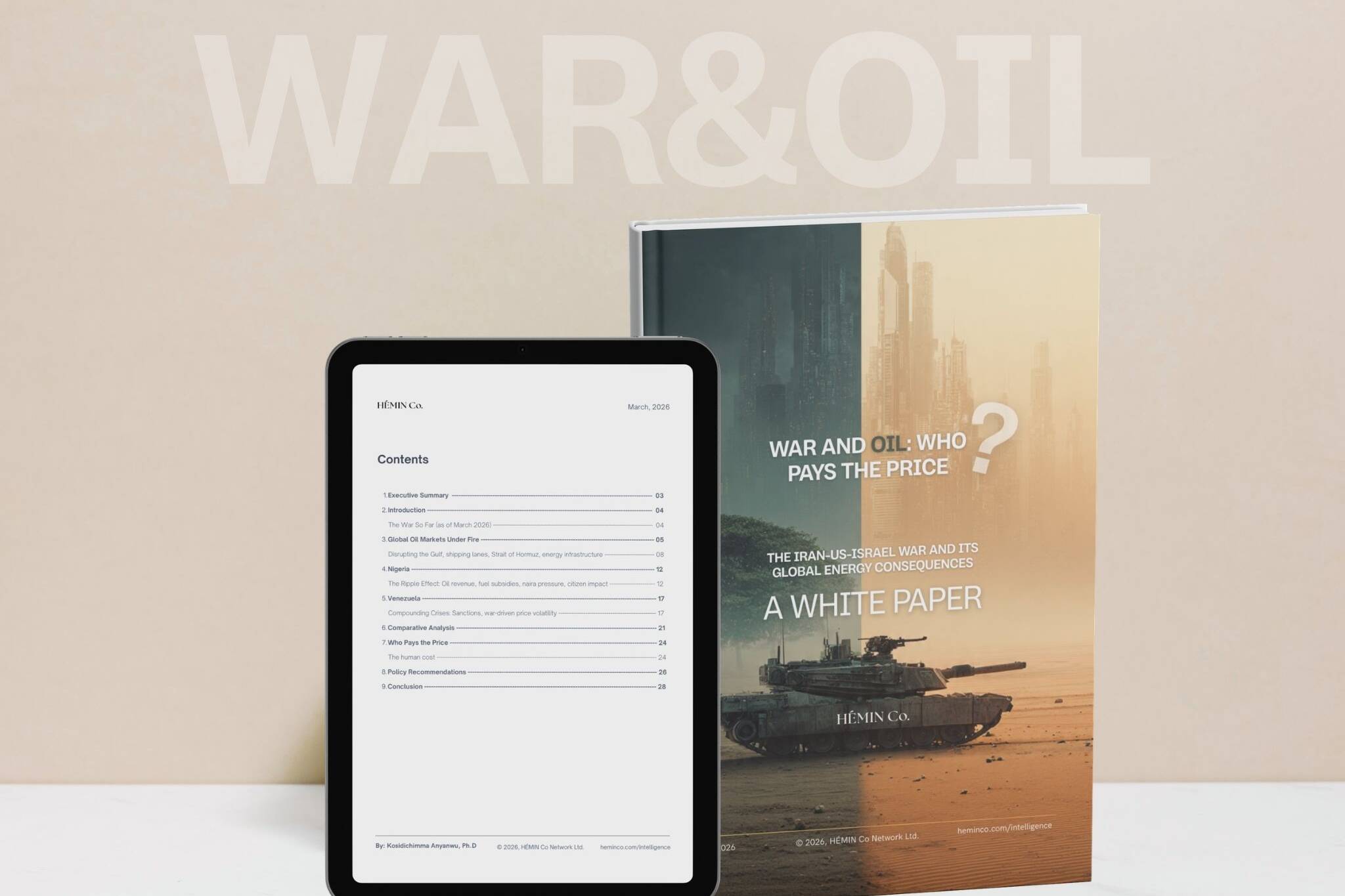
War and Oil: Who Pays the Price?
How the US-Iran War and Israel-Iran Conflict Are Driving a Global Energy…
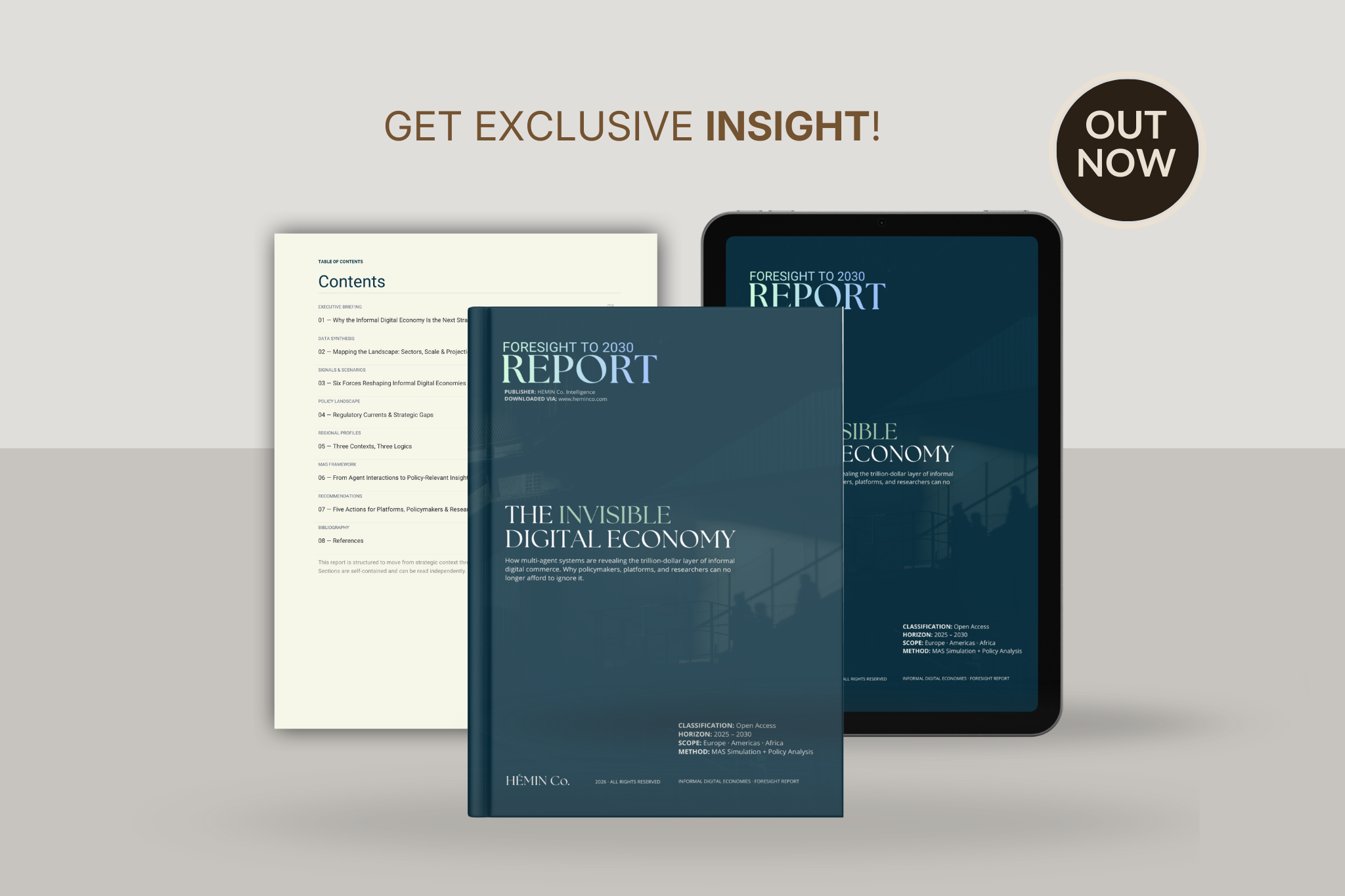
Foresight to 2030: The Invisible Digital Economy Report
How multi-agent systems are revealing the trillion-dollar layer of informal…